Hoplands

The Hoplands development received outline planning approval in 2017, followed by three reserved matters phases. Phase 1, comprising 176 dwellings (later revised to 174), was approved in 2018 and partially constructed before nutrient neutrality requirements came into effect in 2019. Nutrient neutrality delayed Phase 2, which included around 72 dwellings.
Client: Redrow
Status: Planning Permission Granted in 2023
Services
Flood Risk Services
- Flood Risk Assessment (FRA)
- Sustainable Drainage Strategy
- Flood Defence (Mitigation) Strategy
- Flood Investigation
- Hydrology & Hydraulic Modelling
- Flood Emergency Plan
- Basement Impact Assessment (BIA)
- Groundwater Flooding
- Expert Witness
Environmental Services
- Nutrient Neutrality
- Flow & Water Quality Monitoring & Sampling
- River Geomorphological Survey & Assessment
- Water Framework Directive (WFD) Assessment
- Water Resources Assessment
- Environmental Impact Assessment (EIA)
- Air Quality Assessment (AQA)
- Catchment Management Plans
- Environmental Permits, Licences & Consents
- Expert Witness
Engineering Services
- Sewerage Design
- Sustainable Drainage Systems (SuDS) Design
- Landscape Amenity & Sport Facility Drainage
- Earthworks Design
- River Design
- Roads & Driveways
- Expert Witness
Project details
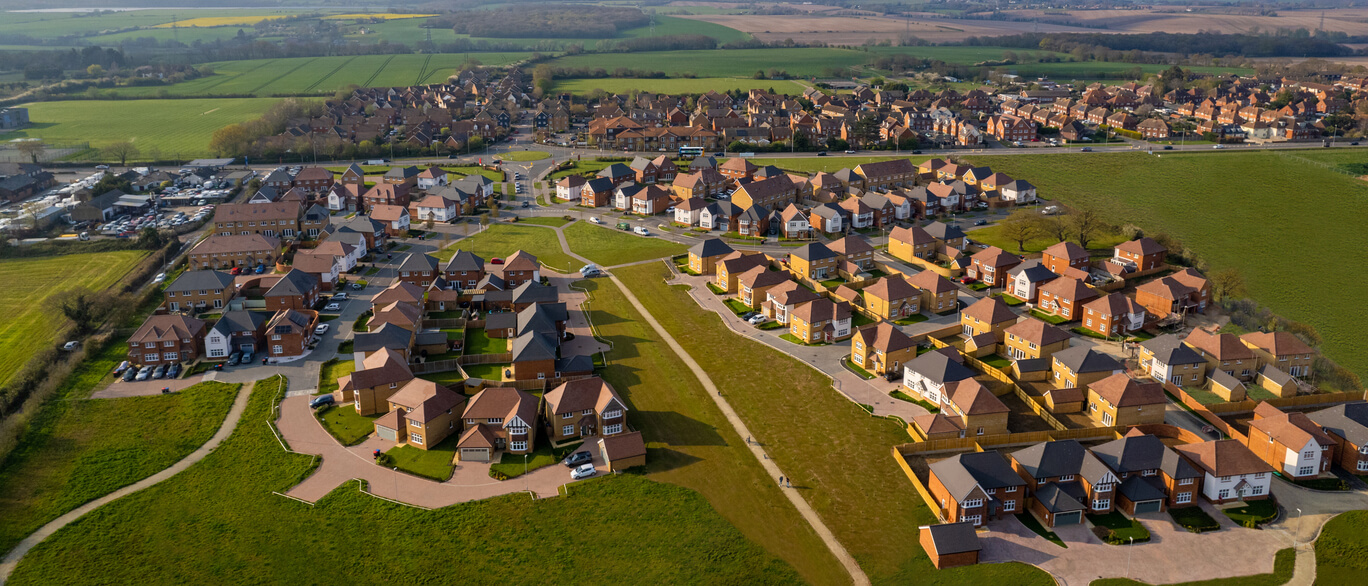
To achieve nutrient neutrality, the mitigation strategy was to build an onsite WwTW, designed and operated by Severn Trent Connect, to treat wastewater to a much higher standard than the nearby Westbere WwTW. By diverting wastewater flows from Phase 1 flows from Westbere to the new onsite WwTW, creating a significant net nutrient benefit, enough to offset the phosphorus load from up to 2,000 homes within the Stodmarsh Catchment.
This benefit was used to offset the impacts of Hoplands Phase 2, subsequent phases, and several other developments in the catchment, including the Cockering Farm proposal for approximately 400 dwellings. Even after these allocations, a large surplus of phosphorus credits remained.
Natural England approved the strategy, and planning permission was granted in early 2023. This was the first mitigation approach of its kind in the UK, setting a precedent for similar strategies nationwide and influencing the widespread adoption of septic tank upgrades for smaller schemes, which apply the same principle on a reduced scale.
Following the passage of the Levelling Up and Regeneration Act, Westbere WwTW is required to meet new discharge limits, which meant that the underlying principles of the strategy needed to be reconsidered. However, after lengthy discussions and negotiations, it was agreed that the original assumptions would stand. This allowed the project to proceed as planned, maintaining its role as a pioneering example of nutrient neutrality mitigation.