Foul and Surface Water Drainage Strategies
Every development needs a sewerage design that gets foul and surface water off the site safely and into the public network — designed to a standard the sewerage undertaker will adopt. Usually required for larger sites, we undertake design and negotiations with statutory undertakers in order to reach agreement on adoptable systems.
Surface Water Drainage Systems
The Planning Practice Guidance defines the hierarchy for management of surface water. The primary focus is to enable the surface water to infiltrate to ground. If this is not possible due to site conditions the order of preference for management of surface water is:
- Disposal to a surface water body
- Disposal to a surface water sewer, highway drain, or other drainage system
- Disposal to a combined sewer (least favourable)
An infiltration test is required to confirm the ability to infiltrate to ground. A topographical survey is preferable to confirm all other proposed surface water drainage solutions, as this allows for accurate calculation of the likely drainage route of the surface water and thus the rate of surface water runoff.
Where required, we will obtain an agreement with the statutory undertaker regarding the rate of runoff from the site that will be accepted into their sewer network. Once agreed, this will define the extent of onsite storage required. Sizing of the onsite surface water network and associated storage will be carried out using industry standard software.
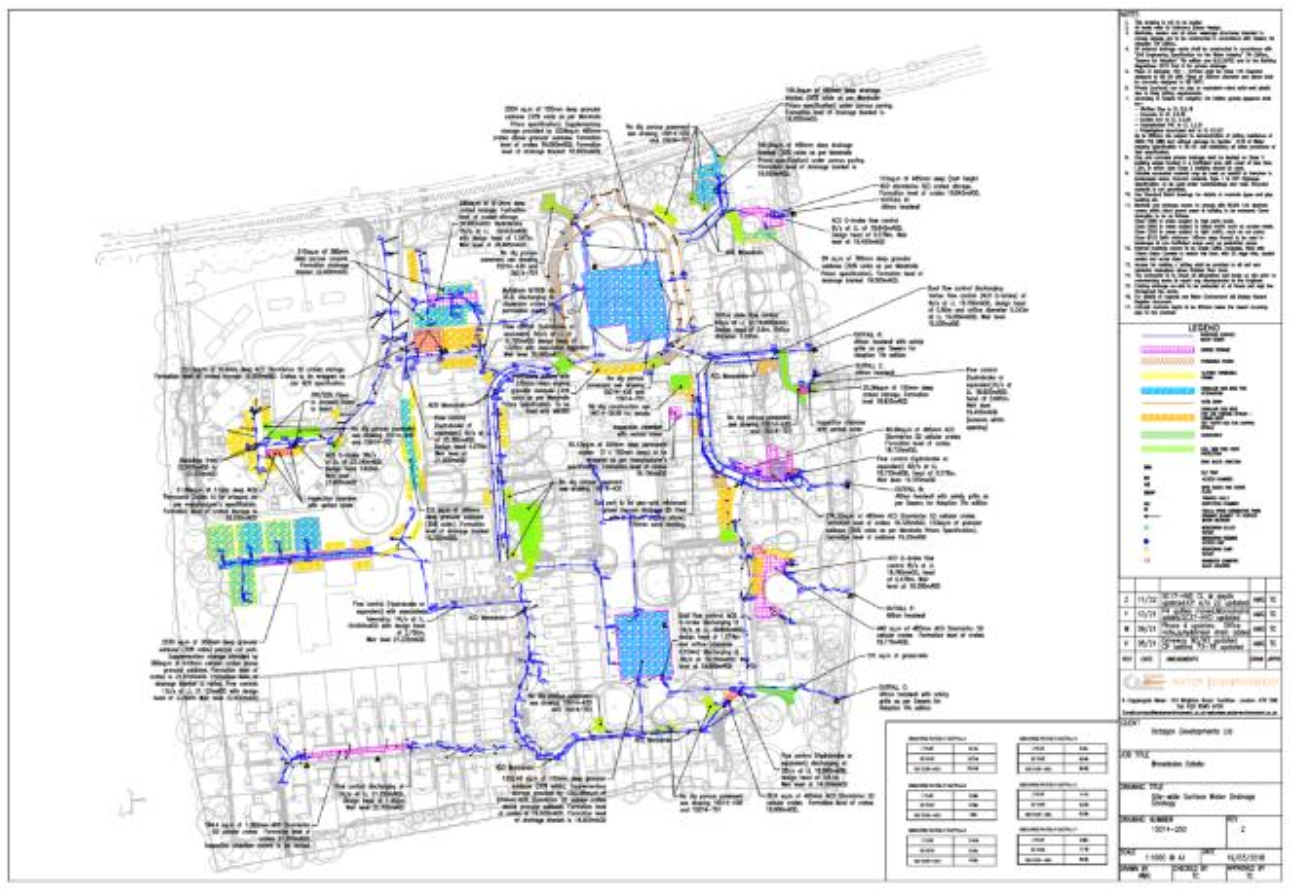
Foul Drainage Systems and Treatment Plans
In order to design a foul drainage system for a new site, details of the extent of the proposed development and intended uses are required to carry out an assessment of the expected foul water discharge using Sewers for Adoption, Seventh Edition. This information will be used alongside industry standard software in order to determine the on-site pipe size and gradient. Appropriate connection points to nearby existing sewers are then determined and proposed to the statutory undertaker's Developer Services department.
If it is not possible to discharge from site by gravity, we can provide advice regarding the appropriate pumping station package and a proposed location in consultation with the statutory undertaker.
In some cases, where there are no public sewer services, it is necessary to provide sewerage disposal using private systems such as cesspools, soakaways and private treatment plants. We can provide advice on the type of treatment to be used and the most appropriate method of disposal of the waste, and will obtain consents from the Environment Agency, where necessary, to discharge the treated effluent to ground or to a nearby watercourse.
How we work
- Site appraisal — we review the development layout, ground conditions and available connection points, and procure the infiltration testing and topographic survey the design depends on.
- Discharge agreement — we agree the permissible runoff rate and connection points with the statutory undertaker, which set the storage and network requirements.
- Detailed design — we size and design the foul and surface water networks, storage and any pumping stations using industry-standard software, in line with Sewers for Adoption.
- Adoption and consents — we prepare the submissions for the undertaker's Developer Services team and obtain Environment Agency discharge consents where private systems are used.
Why Water Environment?
Drainage is the thread that runs through everything we do — flood risk, SuDS and foul and surface water design are resolved by the same engineers, so the adoptable drainage strategy is consistent with the site's wider flood and SuDS requirements rather than designed against them. We negotiate adoption with statutory undertakers across all of England and Wales.
We are members of the Chartered Institution of Water and Environmental Management (CIWEM) and hold professional qualifications with the Institution of Civil Engineers (ICE).
Related Projects
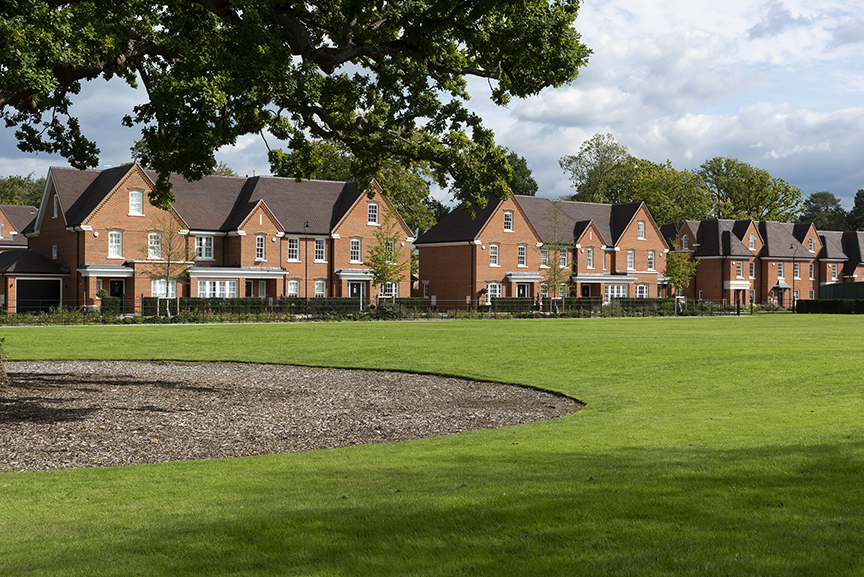
Broadoaks Estate, West Byfleet
Flood Risk Assessment · Sustainable Drainage (SuDS) Strategy · Foul & Surface Water Drainage Design
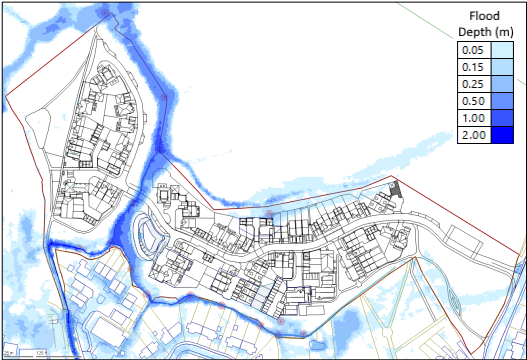
Since 2015, Water Environment Ltd has supported Octagon Developments at Broadoaks Estate, West Byfleet, providing an FRA and SuDS strategy for a 14.3 ha brownfield site with 179 new dwellings.
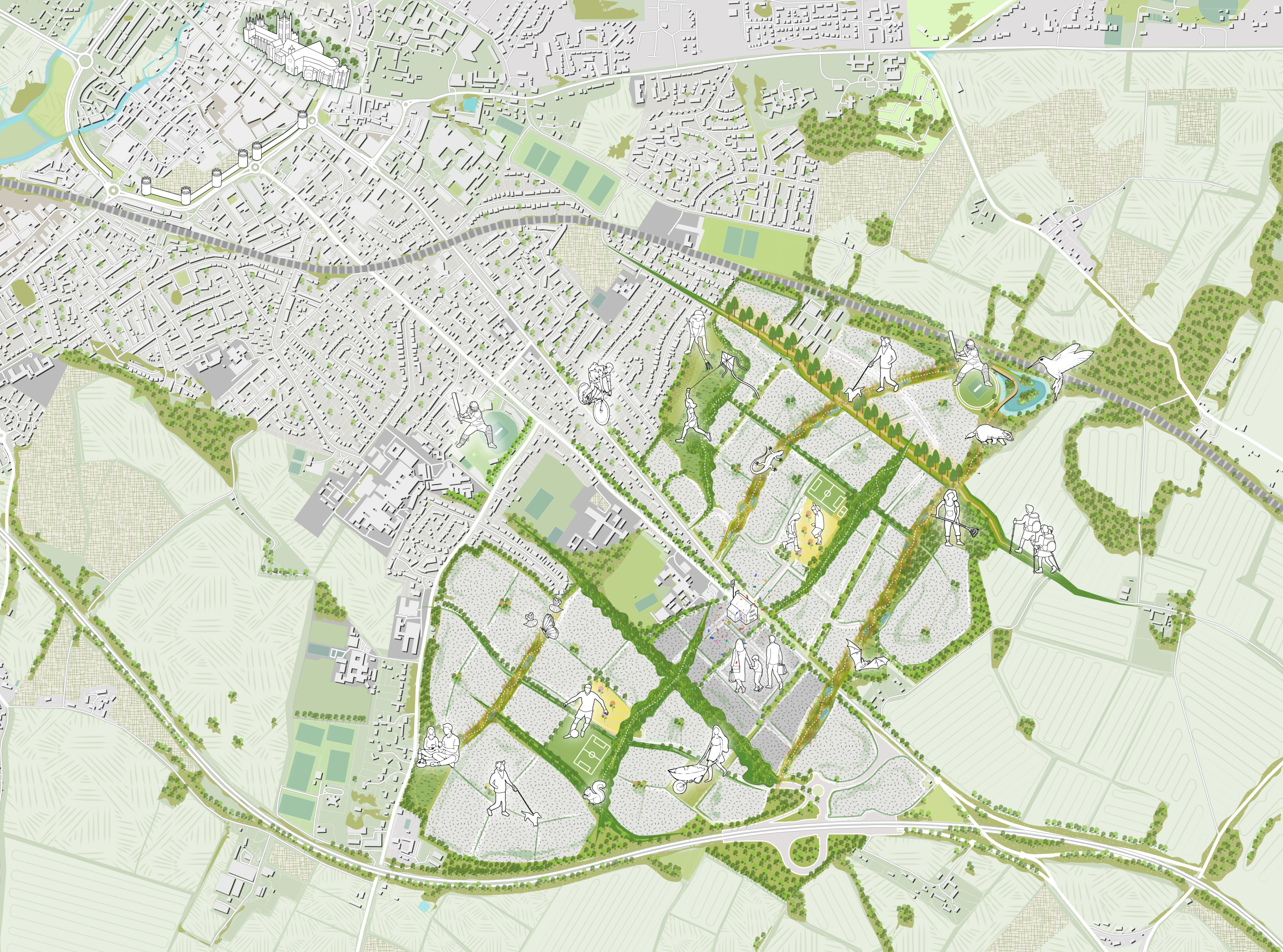
Mountfield Park
Flood Risk Assessment · SuDS & Foul Drainage · Nutrient Neutrality · EIA · Air Quality
Water Environment provided specialist consultancy services for this project.