Environmental Impact Assessments (EIA)
An Environmental Impact Assessment aims to protect the environment by ensuring any likely significant effects are identified before planning permission for a proposed project is granted. Typically, only large schemes require an EIA, but this is subject to a screening assessment.
The EIA process
Following screening, a scoping assessment is undertaken to determine which issues are required to be considered and an Environmental Statement (ES) is prepared to support the planning application. This is a collaborative process, covering multiple environmental disciplines — including water, ecology, noise and pollution — and requires input from a number of technical specialists.
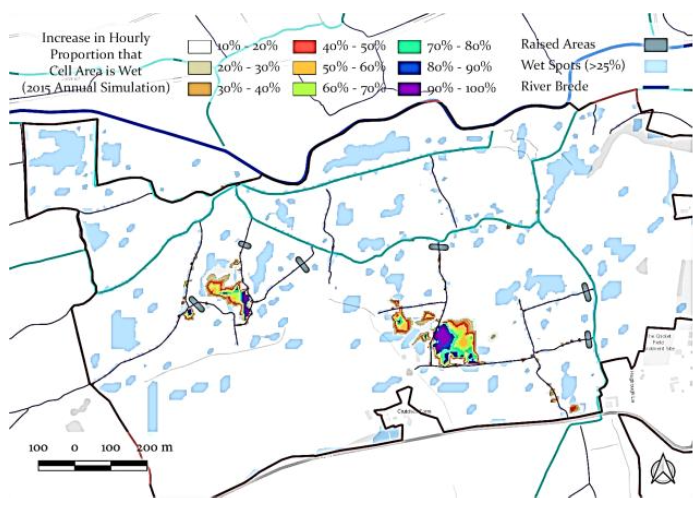
The Water and Environment chapter
Water Environment have extensive experience of the ES process and in preparing the Water chapter, which covers all aspects of water resources, hydrology, hydrogeology and flood risk. We are also frequently required to undertake bespoke hydraulic modelling and produce detailed Flood Risk Assessments to support the ES report.
How we work
- Screening — we advise whether the scheme requires an EIA, preparing or reviewing the screening assessment against the EIA Regulations.
- Scoping — we help define the water and environment issues that need to be considered, so the assessment is proportionate and focused.
- Assessment and chapter — we assess the effects on water resources, hydrology, hydrogeology and flood risk and prepare the Water chapter, supported by hydraulic modelling and a Flood Risk Assessment where required.
- Statement and submission — we provide our chapter and a contribution to the non-technical summary for the Environmental Statement, and respond to queries through determination.
Why Water Environment?
On an EIA we lead the Water chapter — water resources, hydrology, hydrogeology and flood risk — and back it with the bespoke hydraulic modelling and Flood Risk Assessments the Environmental Statement needs. Because the assessment and the supporting engineering come from one team, the water chapter is consistent with the scheme's drainage and flood design rather than written in isolation. We work across all of England and Wales and contribute to multi-disciplinary ES teams on major schemes.
We are members of the Chartered Institution of Water and Environmental Management (CIWEM) and hold professional qualifications with the Institution of Civil Engineers (ICE).
Related Projects
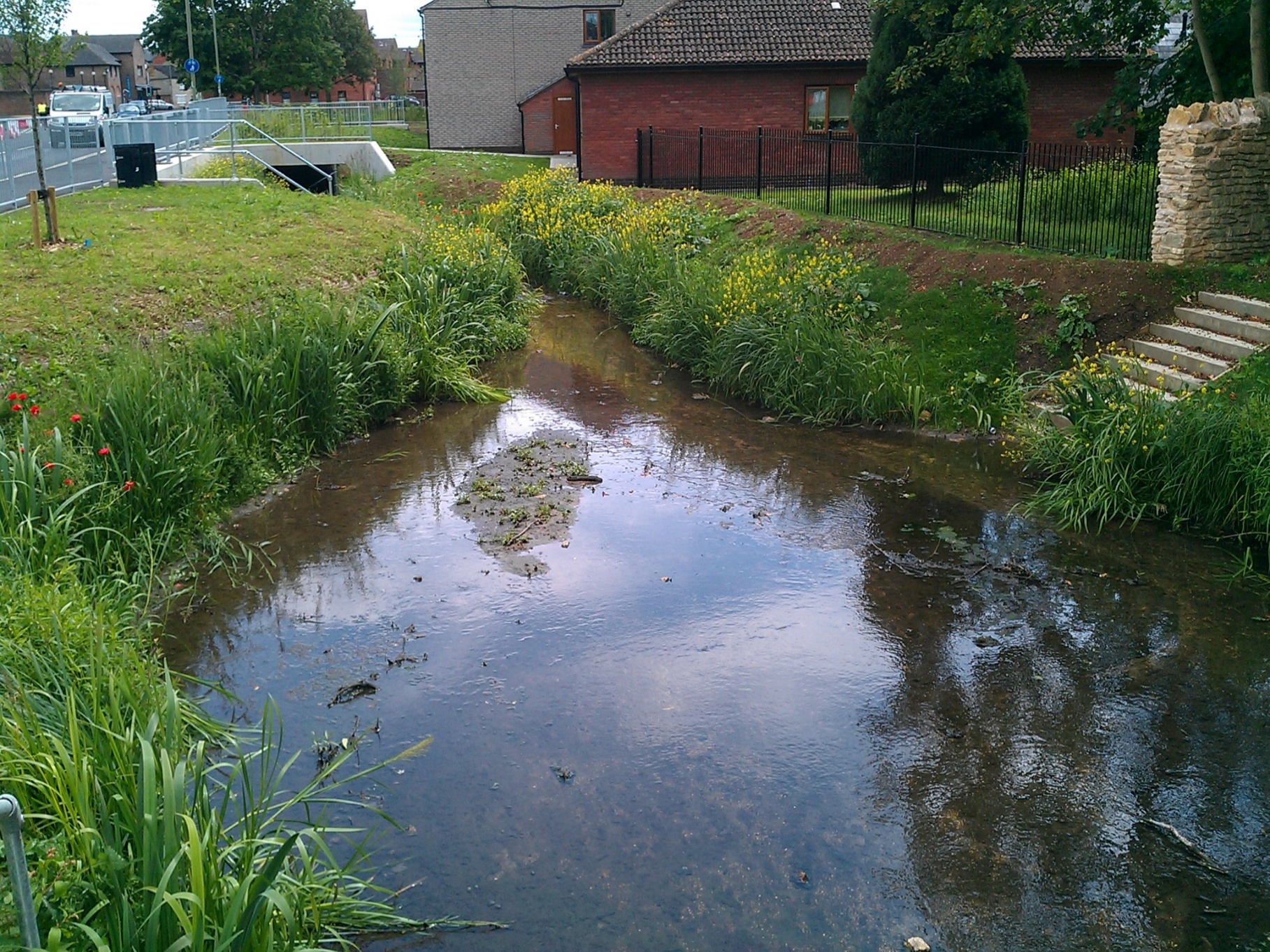
Bicester Town Centre, Oxfordshire
River Diversion · Hydraulic Modelling · Flood Risk Assessment · Environmental Permitting
Water Environment led the river diversion and environmental design for Bicester Town Centre's major regeneration scheme, relocating 180m of the canalised River Bure and creating improved habitat.
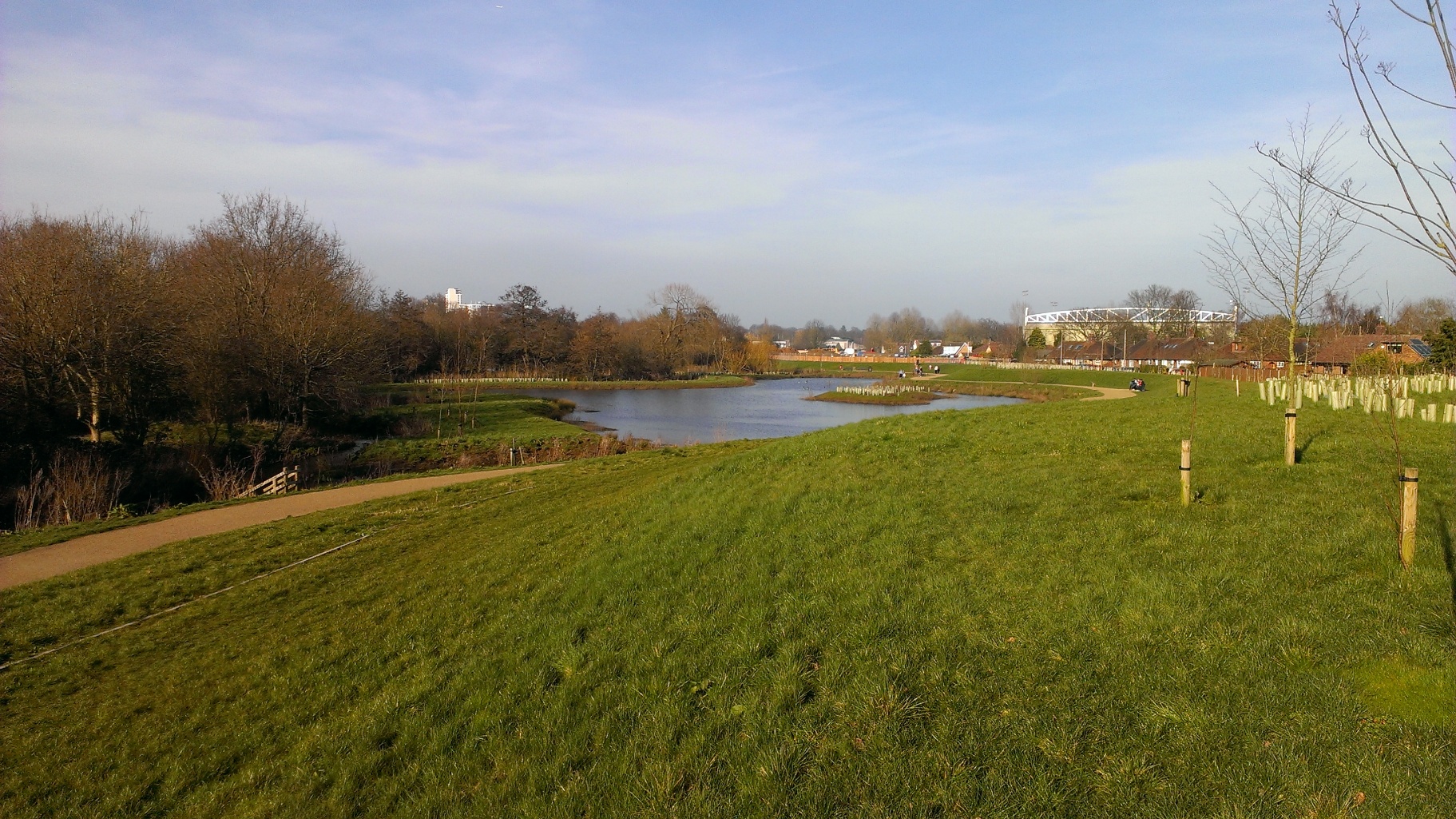
Hoe Valley Flood Defence, Woking
Flood Defence Strategy · Hydrology & Hydraulic Modelling · River Design · Earthworks Design
Water Environment worked with Woking Borough Council over four years to design and deliver a £60m linear park and flood defence scheme, protecting hundreds of homes from repeated flooding on the River Hoe.
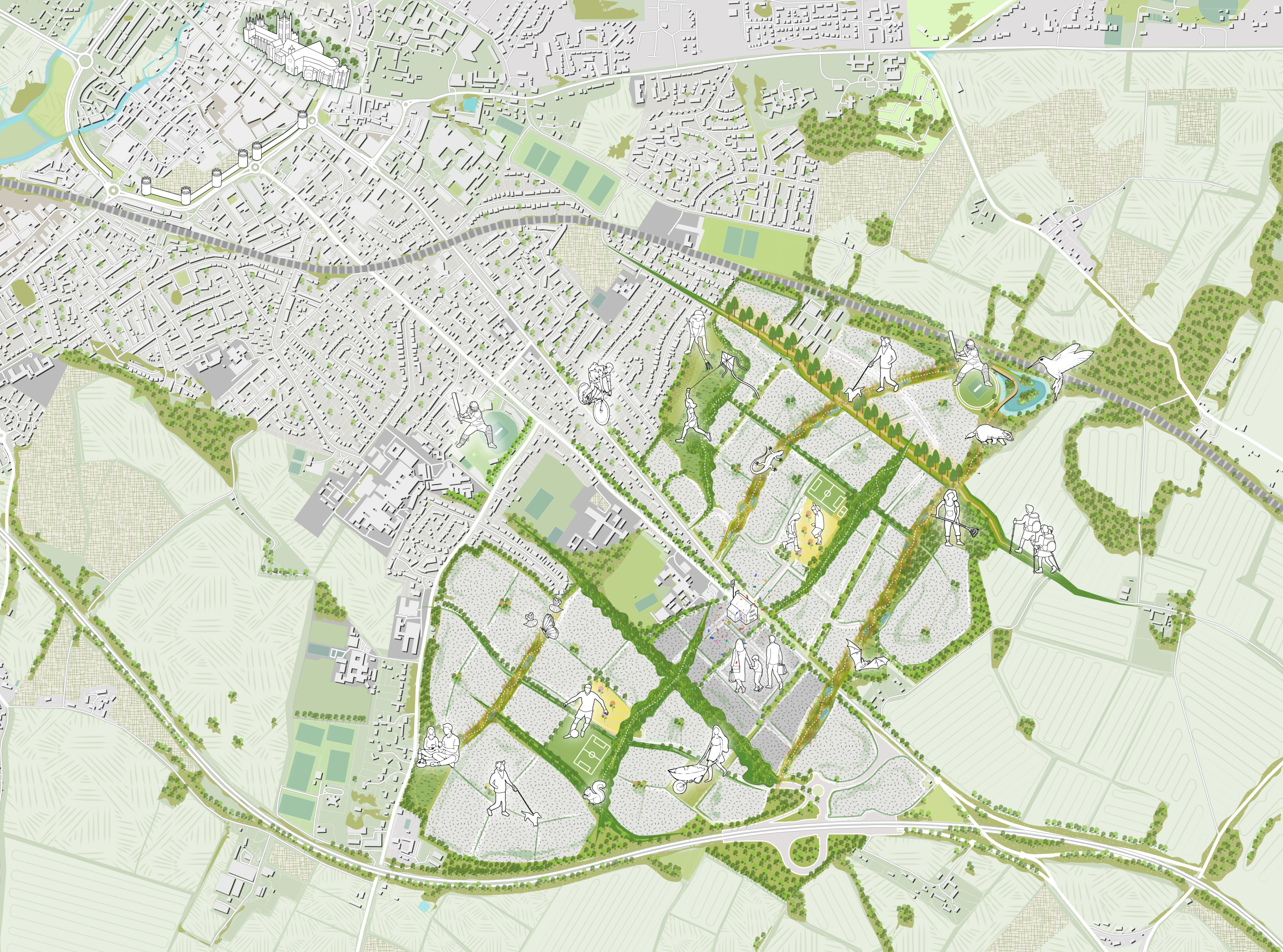
Mountfield Park
Flood Risk Assessment · SuDS & Foul Drainage · Nutrient Neutrality · EIA · Air Quality
Water Environment provided specialist consultancy services for this project.
Winchelsea Landscape Revival
Flood Risk Assessment · Hydrological Modelling · Environmental Impact Assessment · Nature-Based Solutions
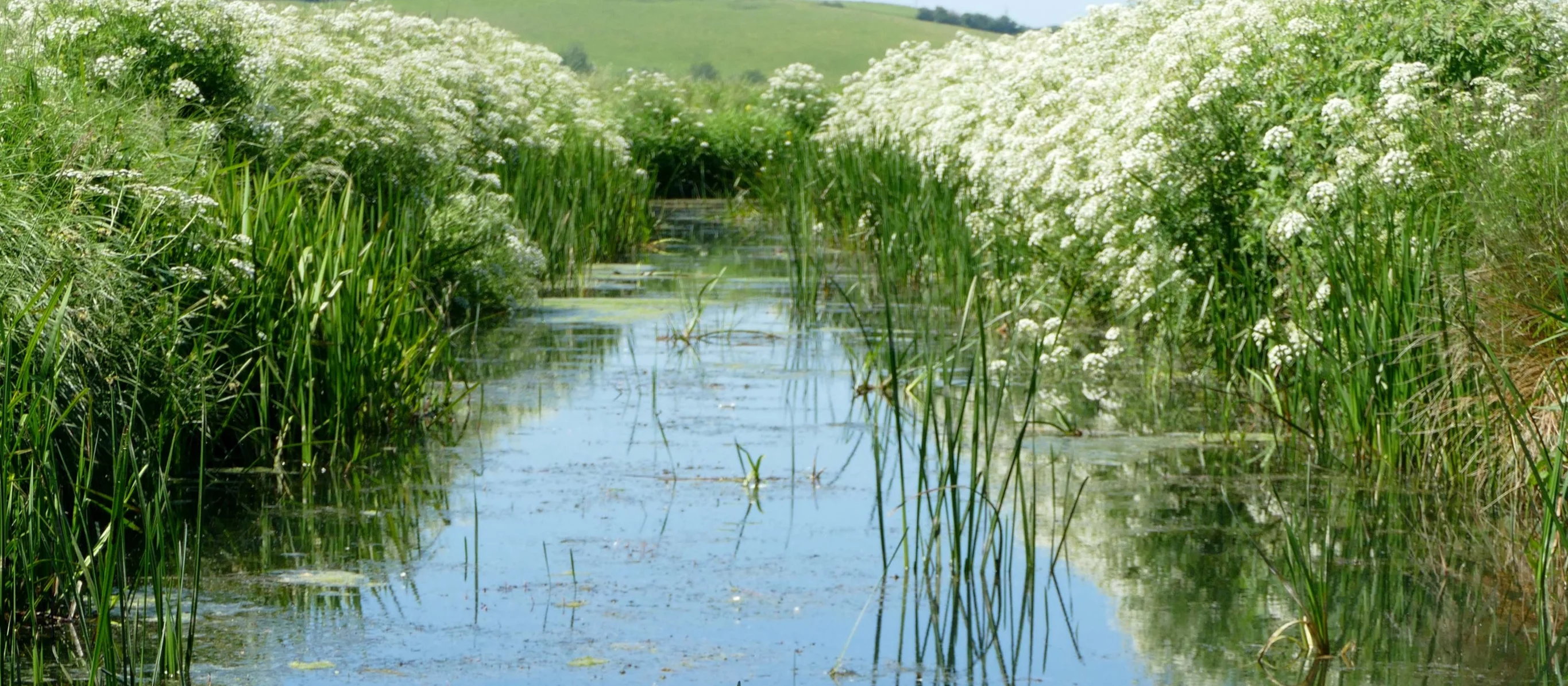
Water Environment assessed water features for the National Trust at Crutches Farm, East Sussex. The National Highways joint project delivers off-site biodiversity credits to meet UK BNG requirements.