Sustainable Urban Drainage Systems (SuDS)
For any major development it is now expected that surface water is managed through Sustainable Urban Drainage Systems (SuDS), and a SuDS assessment is required to support a planning application. Designed well and considered early, SuDS manage flood risk, improve water quality, and deliver amenity and ecological benefits — designed late, they can force costly changes to a site layout. We prepare drainage strategies and detailed SuDS designs that satisfy the Lead Local Flood Authority and integrate cleanly with the rest of the scheme.
Do I need a SuDS scheme?
Sustainable drainage is expected on all major development, and a SuDS assessment is normally required for planning where any of the following apply:
- The development proposes ten or more dwellings, or an equivalent non-residential scheme.
- The site area is greater than 1,000m².
- Surface water runoff from the site needs to be managed to avoid increasing flood risk elsewhere.
Since April 2015 the Lead Local Flood Authority has been a statutory consultee on surface water drainage for major development, and they will expect to see how runoff rates, water quality and long-term maintenance have been addressed before recommending approval.
What SuDS have to achieve
Good SuDS design is judged against four objectives — the four pillars of SuDS. A scheme that manages flood water but ignores water quality, amenity or biodiversity will struggle to gain approval:
| Pillar | What it means in practice |
|---|---|
| Water quantity | Controlling runoff rates and volumes so the developed site discharges no faster than the undeveloped (greenfield) site, managing flood risk on and off the site. |
| Water quality | Removing pollutants from runoff before it reaches a watercourse or aquifer, using a treatment train of successive SuDS components. |
| Amenity | Creating better places for people — green space, water features and recreation integrated into the development rather than hidden underground. |
| Biodiversity | Providing and connecting habitat — wetlands, ponds and planted features that support wildlife and contribute to biodiversity net gain. |
Wherever possible we design surface SuDS components that deliver all four — an attenuation basin or wetland that controls runoff, treats water quality, looks good and provides habitat does far more than an underground tank that only stores water.
The drainage hierarchy and SuDS techniques
National policy sets out a hierarchy for where surface water should be discharged: into the ground (infiltration) first, then to a surface watercourse, and only as a last resort to a public sewer. The right SuDS components for a site depend on where it sits in that hierarchy, on ground conditions and infiltration potential, on available space, and on groundwater and contamination constraints.
Sustainable drainage can be applied at single-property scale — through green roofs, soakaways or permeable paving — or at a site-wide scale, through larger infiltration devices and natural methods such as balancing ponds or wetlands. We advise on and design the full range of techniques:
- Green and blue roofs — intercepting and slowing rainfall at source
- Soakaways and infiltration devices — returning runoff to the ground where conditions allow
- Permeable paving — drainage built into hardstanding and parking areas
- Swales and filter strips — conveying and treating runoff above ground
- Attenuation basins and ponds — storing and controlling larger volumes
- Wetlands — combining storage, treatment, amenity and habitat
Design it in early
Early consideration of sustainable drainage is the single biggest factor in a successful, cost-effective scheme. SuDS components need space and need to sit at the right levels — decisions that are difficult and expensive to retrofit once a site layout is fixed. Bringing the drainage strategy in at the masterplanning stage lets us:
- Reserve the right land for attenuation, basins and conveyance at the right levels
- Coordinate SuDS with the earthworks, roads, landscape and open space rather than competing with them
- Use the natural fall of the site to drain by gravity and avoid pumping wherever possible
- Resolve maintenance and adoption arrangements before they become a planning condition problem
Many of the natural SuDS methods carry wider amenity and ecological benefits, so designing them in early adds value to the scheme as well as de-risking the planning process.
How we work
- Strategy and feasibility — we review ground conditions, infiltration potential, outfall options and the available space to establish a workable drainage strategy and the discharge approach the LLFA will accept.
- Runoff and attenuation calculations — we calculate greenfield runoff rates and the storage volumes required, sizing the SuDS components to control discharge across the full range of design storms, including a climate change allowance.
- SuDS design — we develop the drainage layout and component design, coordinated with the site levels, highways and landscape, and produce the drawings and calculations needed to discharge planning conditions.
- Maintenance and adoption — we set out a maintenance plan for the scheme and advise on adoption routes, so the long-term management of the SuDS is clear from the outset.
- Planning support — we respond to queries from the Lead Local Flood Authority and the planning officer and refine the design through to approval.
Why Water Environment?
Our directors have a combined 40+ years of specialist experience in flood risk, hydrology and drainage design. Because SuDS sits at the meeting point of flood risk, water quality, ecology and civil engineering — all disciplines we work in — we design drainage that resolves the whole problem rather than passing it between consultants. We work across all of England and Wales for private developers, housebuilders, infrastructure programmes and planning consultancies.
We are members of the Chartered Institution of Water and Environmental Management (CIWEM) and hold professional qualifications with the Institution of Civil Engineers (ICE).
Related Projects
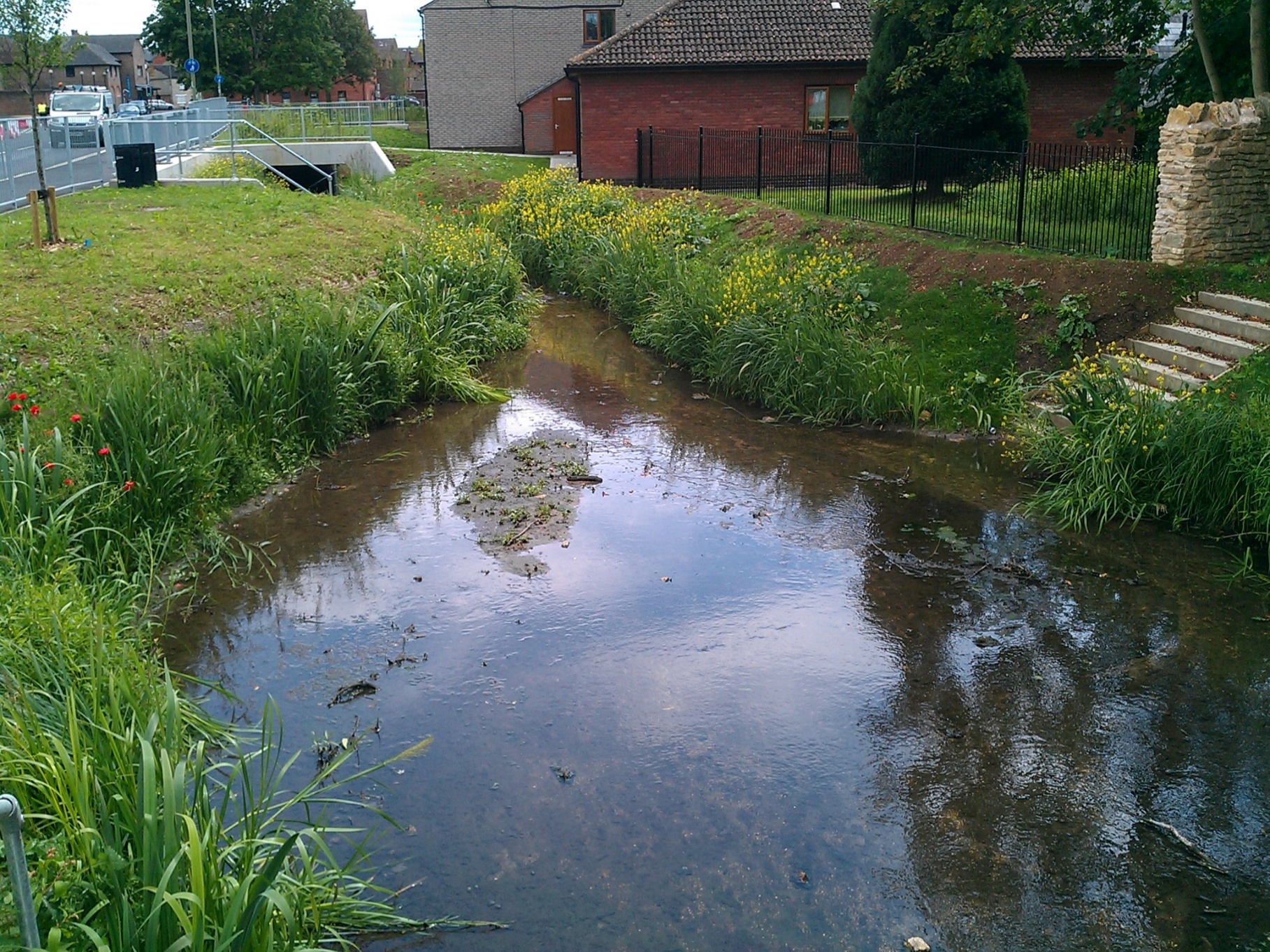
Bicester Town Centre, Oxfordshire
River Diversion · Hydraulic Modelling · Flood Risk Assessment · Environmental Permitting
Water Environment led the river diversion and environmental design for Bicester Town Centre's major regeneration scheme, relocating 180m of the canalised River Bure and creating improved habitat.
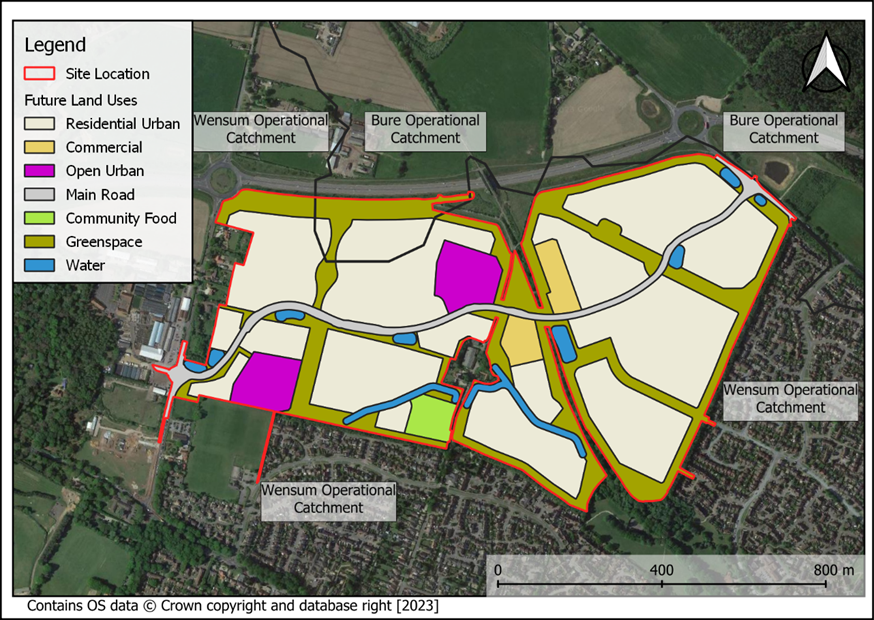
Breck Farm, Marriotts Park
Nutrient Neutrality · SuDS Strategy
Water Environment provided specialist consultancy services for this project.
Broadoaks Estate, West Byfleet
Flood Risk Assessment · Sustainable Drainage (SuDS) Strategy · Foul & Surface Water Drainage Design
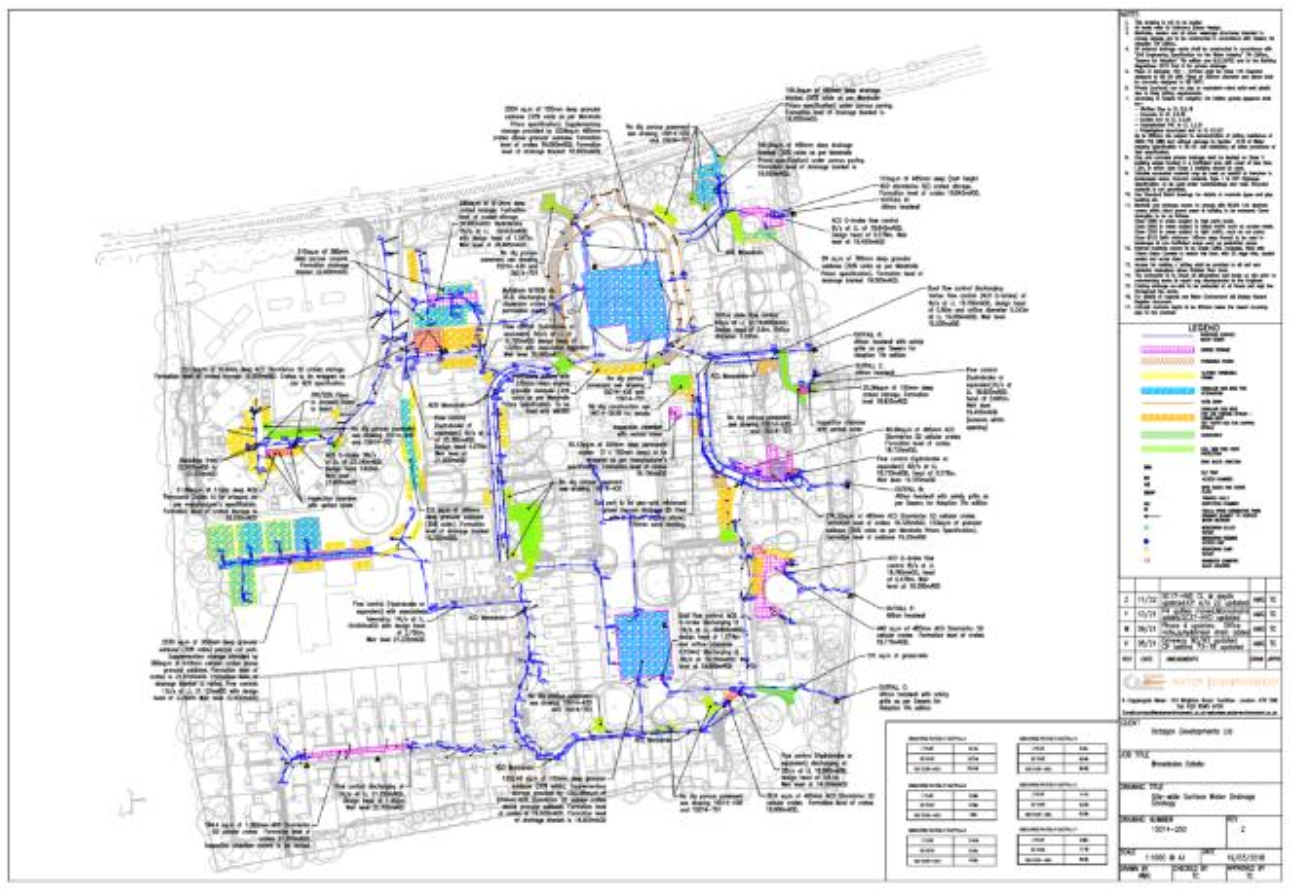
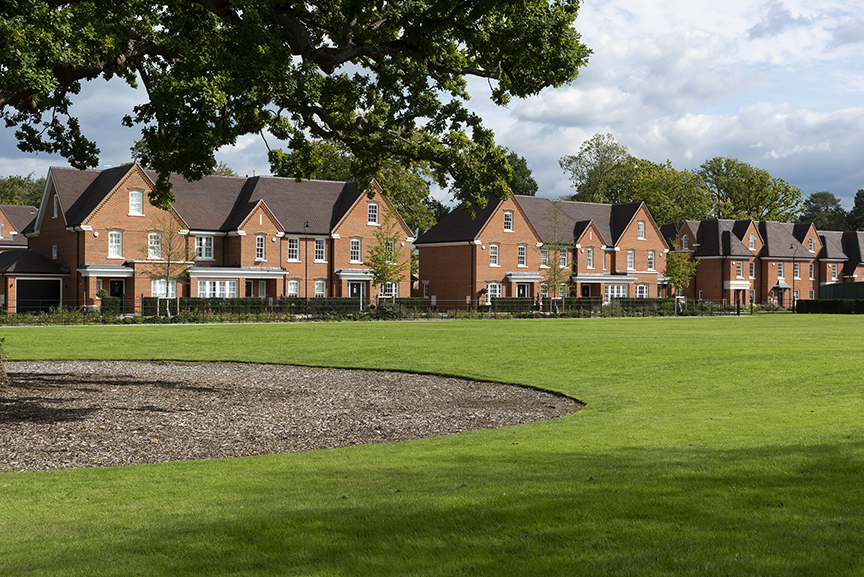
Since 2015, Water Environment Ltd has supported Octagon Developments at Broadoaks Estate, West Byfleet, providing an FRA and SuDS strategy for a 14.3 ha brownfield site with 179 new dwellings.
Elm Tree Farm
Nutrient Neutrality · Flood Risk Assessment · SuDS Strategy
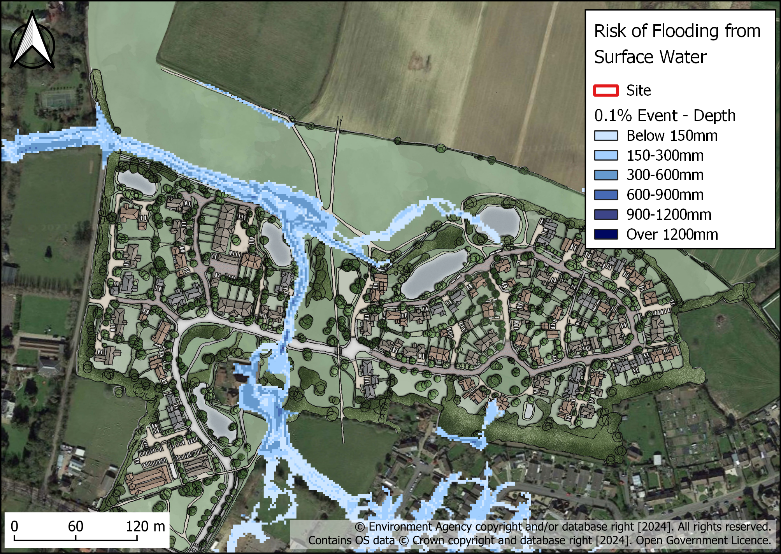
Water Environment provided specialist consultancy services for this project.
Hoe Valley Flood Defence, Woking
Flood Defence Strategy · Hydrology & Hydraulic Modelling · River Design · Earthworks Design
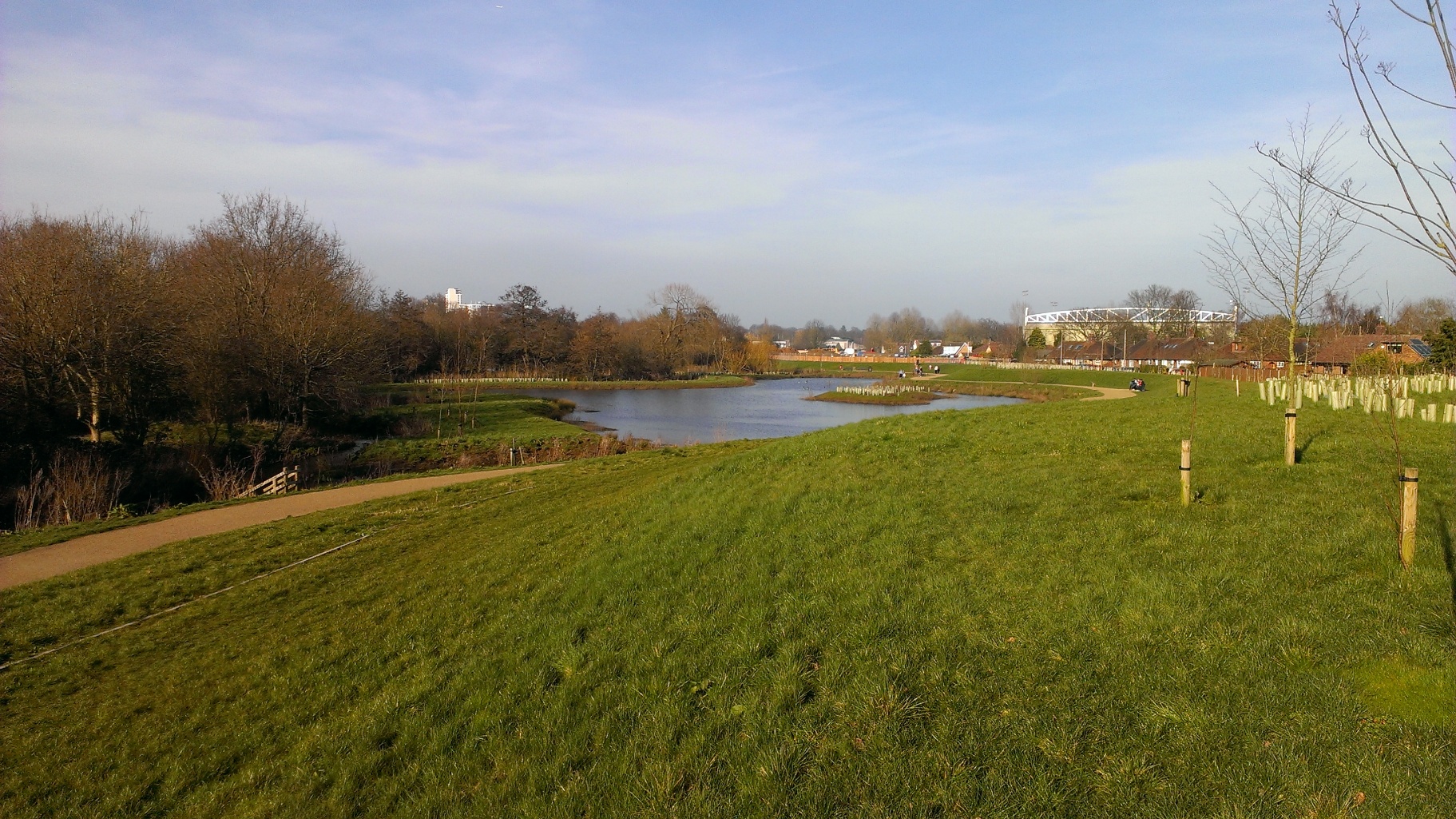
Water Environment worked with Woking Borough Council over four years to design and deliver a £60m linear park and flood defence scheme, protecting hundreds of homes from repeated flooding on the River Hoe.
Land North of Queens Mead
Flood Risk Assessment · Hydraulic Modelling · SuDS Strategy · Roads
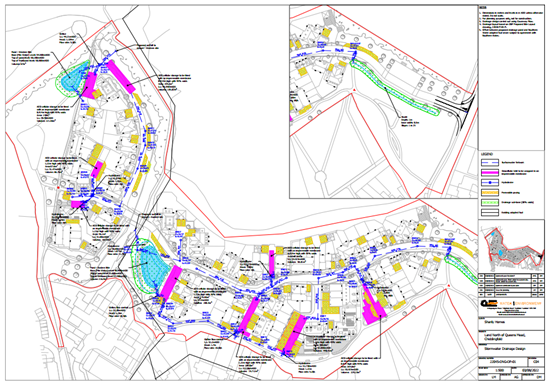
Water Environment provided specialist consultancy services for this project.
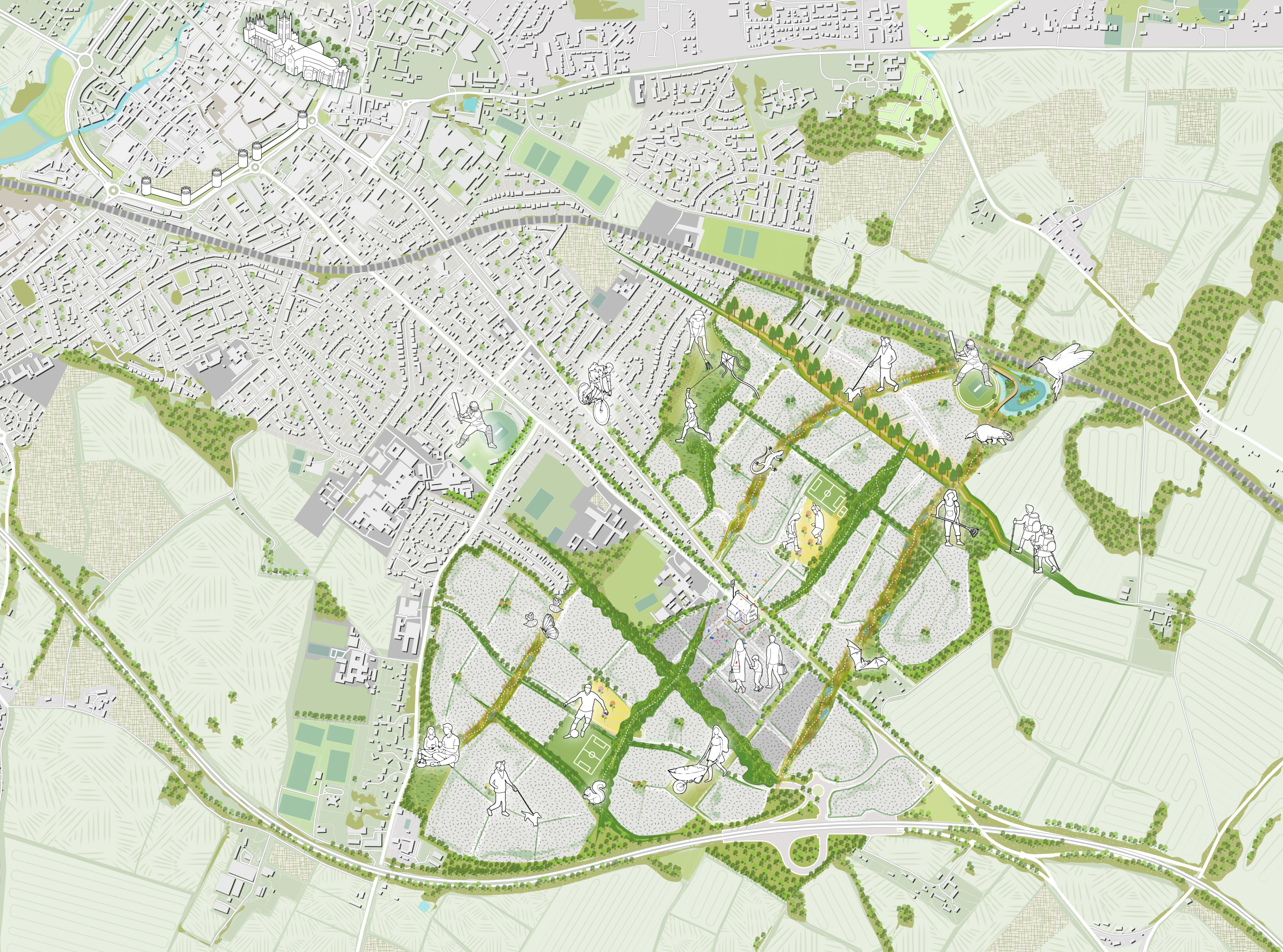
Mountfield Park
Flood Risk Assessment · SuDS & Foul Drainage · Nutrient Neutrality · EIA · Air Quality
Water Environment provided specialist consultancy services for this project.
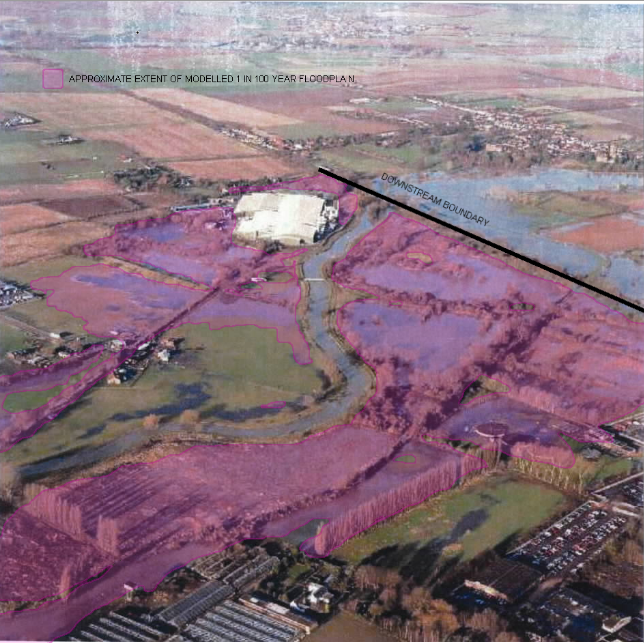
Sandy, Bedfordshire
Hydraulic Modelling · Flood Risk Assessment · SuDS Strategy · Groundwater
Water Environment provided specialist consultancy services for this project.
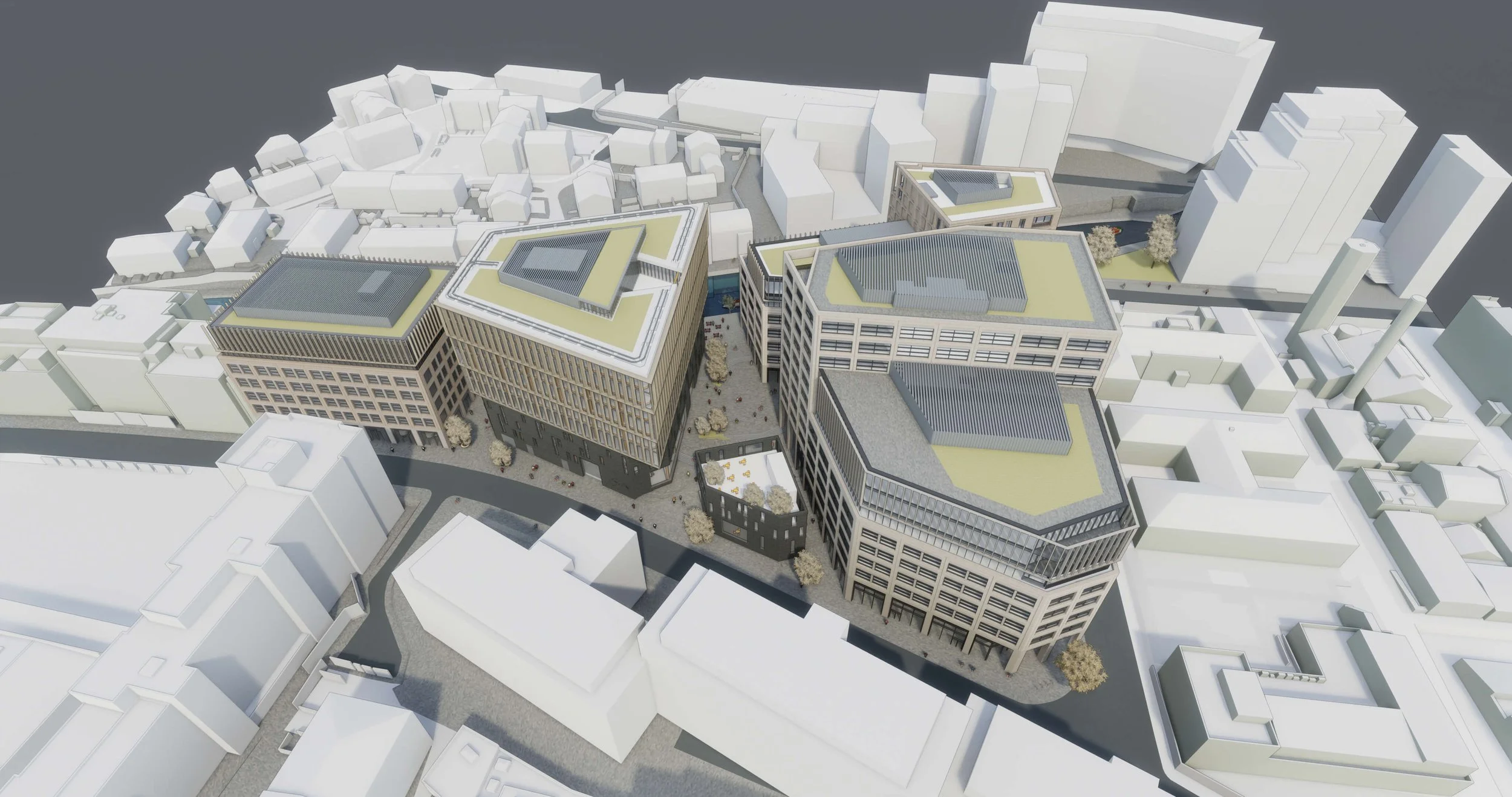
Tribeca London
Flood Risk Assessment · Hydraulic Modelling · Sustainable Drainage (SuDS) Strategy · Nature-Based Solutions
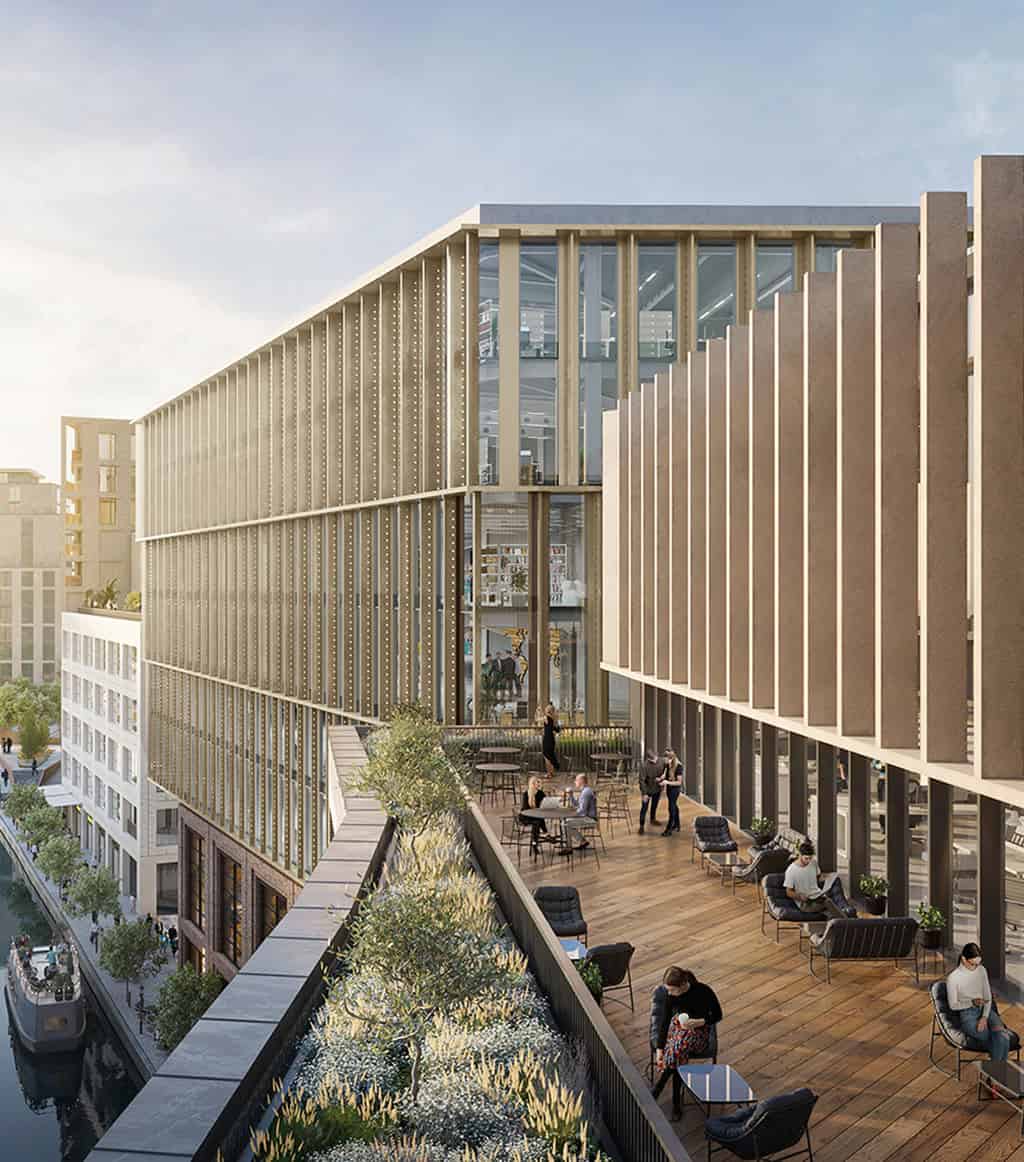
Water Environment designed an innovative FRA and SuDS strategy for Reef Group's London life-sciences and residential scheme, using advanced blue/green roofs to meet strict sewer discharge limits.
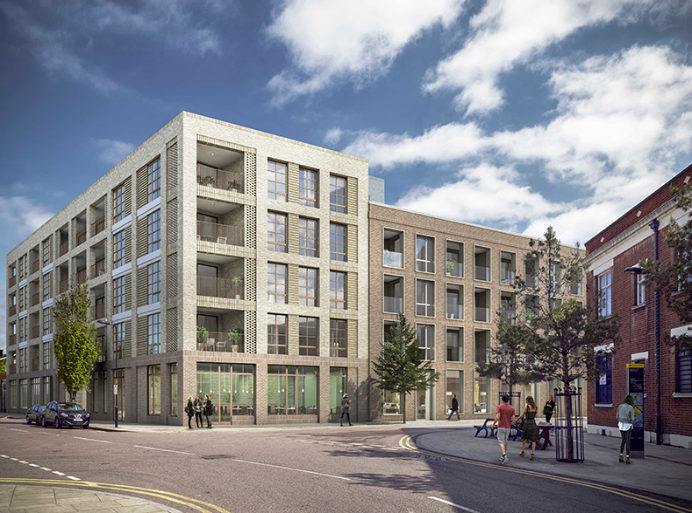
Wallis Road
Flood Risk Assessment · Flood Emergency Plan · SuDS Strategy
Water Environment provided specialist consultancy services for this project.
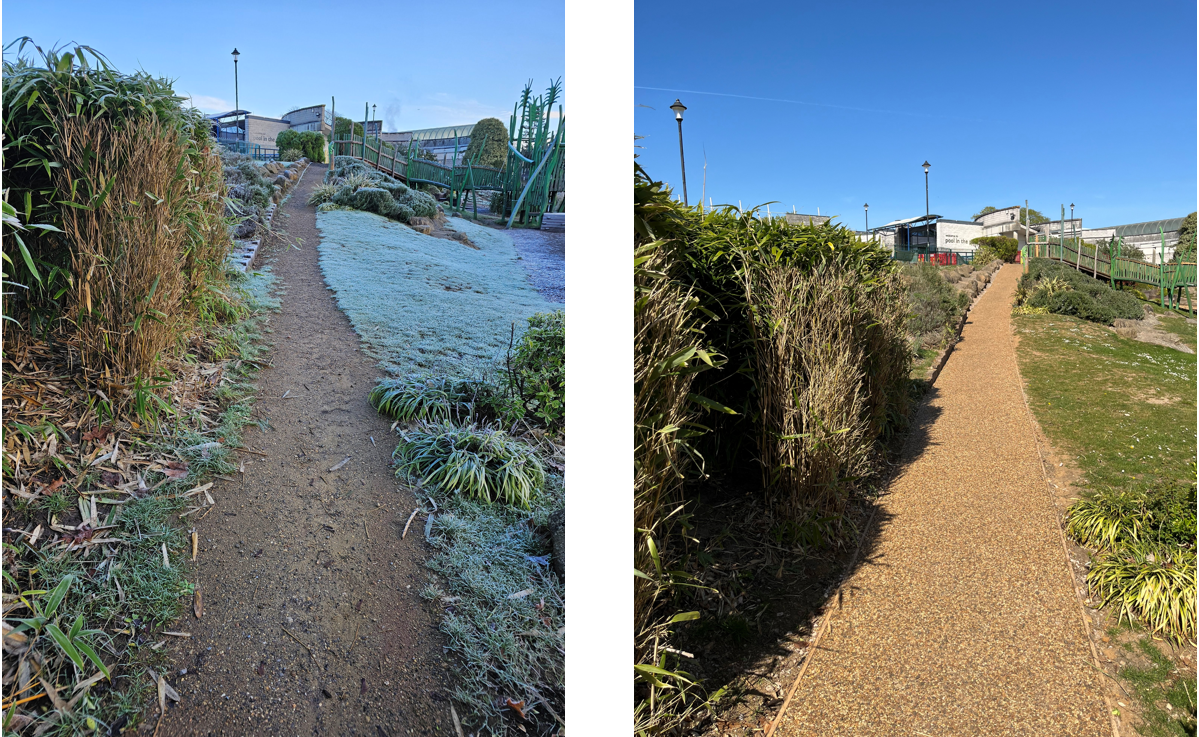
Woking Park Play Area
SuDS Design · Landscape Amenity Drainage · Resurfacing
Water Environment provided specialist consultancy services for this project.